
From Viborg to the Arctic
The Hegelund Family
Mayors of Viborg in the 1500s. Since 1635, nearly four centuries on the jagged coastline of Northern Norway, facing the ice-blue waters of the North Atlantic.
Before the Arctic
A dynasty of Viborg.
Mayors, councilmen and a bishop. For a hundred years the Hegelunds helped rule Viborg in Denmark – the ancient capital of Jutland, where laws were made and kings were hailed – before two brothers set out for the far North of Norway.
1530s–1622
Rulers of the town. Mayors and councilmen of Viborg through three generations.
Viborg
Power by marriage. Allied with the town’s other great houses – above all the Tranes, a family of mayors.
1542–1614
The bishop of Ribe. Peder Jensen Hegelund – scholar, playwright and diarist of the Danish Renaissance.
1622
North to Norway. The mayor dies, and his sons Morten and Mikkel take the family name north.
The genealogy
From Jutland to the Arctic.
In 1635, Morten C. Hegelund, of a Danish family, came north and settled in the area of Karlsøy, well above the Arctic Circle. This event marked the beginning of a near four-century long history for the Hegelund family, centered on the jagged Norwegian coastline, facing the ice-blue waters of the North Atlantic.
During these four centuries, the Hegelund clan became one of the wealthiest and most-respected families in the whole Karlsøy parish.
The family is well-known for its social engagement, creativity and assiduousness.
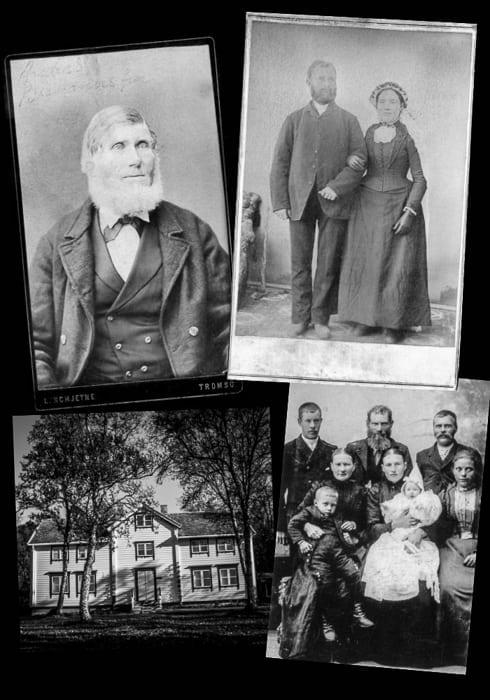
Through the generations
From Hegelund to Klingenberg.
An unbroken line from father to son, from Viborg in Jutland in the 1400s, to the bailiff who settled in Karlsøy in 1635, and on to the family today.
Viborg, Jutland
c. 1410–1449
Christen Mortensen Hegelund
The oldest name in the family trees. The line is documented from the 1530s.
1440–1500
Morten Christensen Hegelund
Recorded in family trees; no contemporary sources survive.
1470–1528
Christen Mortensen Hegelund
Councilman in Viborg.
1505–1574
Morten Christensen Hegelund
Councilman in Viborg from 1545. His brother Peder became mayor.
1540–1600
Søren Mortensen Hegelund
Councilman in Viborg.
1570–1622
Christen Sørensen Hegelund
Mayor of Viborg. Dies in 1622, and with him the male line leaves the town: his sons Morten and Mikkel go to Norway.
Karlsøy and Helgøy
c. 1600–1660
Morten Christensen Hegelund
Bailiff of Troms. Comes north in 1635 and settles at Elvevoll, today’s Hansnes on Ringvassøy. Bailiff until about 1658.
1631–1700
Hans Mortensen Heggelund
Came north with his father in 1635. Hansnes – “Hans’s headland” – is believed to be named after him. The richest man in the parish when he died in 1700.
1683–1759
Søren Hansen Heggelund
Through the 1700s the family serves as parish clerks at Helgøy church.
1731–1767
Morten Sørensen Heggelund
1764–1836
Morten Mortensen Hegelund
Parish clerk at Helgøy, as Jacob Klingenberg was before him. Marries the widow Ane Malena, whose children from her first marriage carry the name Klingenberg.
c. 1796
Jacob Klingenberg
Baptised Jacob Klingenberg Hegelund, and later takes Klingenberg as his surname. Marries Nille Severina Figenschou in 1824. The family holds the farm by Helgøy church, later known as Klingenberggården, and in 1846–48 Elias Klingenberg buys most of the Helgøy farm outright.
1839–1890
Søren Christian Klingenberg
Born at Kammen on Vannøya. Farmer and owner at Hansnes – the place where the bailiff had settled in 1635. Drowned at Hamre in December 1890.
1867
Kristian Magnus Sørensen
Born at Hansnes, son of Søren Christian Klingenberg. Following the old custom he takes his father’s name, Sørensen – the name the family carries into the 1900s. A fisherman, he marries Olina Rasmusdatter of Dåfjord in 1890.
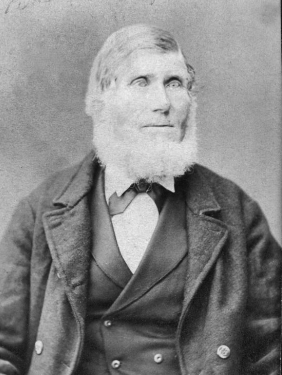
Storingen of Lanes
Nils Andreas “Storingen” Heggelund was born at Gåsvær on 26 December 1848 and became a well-known character in Tromsø. In 1875 he was a fisherman living in Tromsø town with his wife Anna Fredrikke (1852–1946), who was born at Snarby, daughter of Anders Heggelund of Straumsbukta. By 1891 their home was the farm at Lanes on Kvaløya, where he was farmer, fisherman and owner. The two were remembered as local celebrities, known for their social engagement.
Like most people of their time, they appear in the censuses under their fathers’ names – Nils Eliasen and Anna Fredrikke Andersdatter. But when Storingen died at Lanes in 1925, the parish register wrote his full name: Nils Andreas Heggelund Eliassen. Both came from the Heggelund family.
In 1910 three generations lived together at Lanes: Storingen and Anna, their daughter Amalie with her husband Ole, and their children, among them little Ingeborg, born there in 1905.
Spellings vary through the centuries: Hegelund, Heggelund. Sources: the family tree, and Håvard Dahl Bratrein, Bygdebok for Karlsøy og Helgøy.
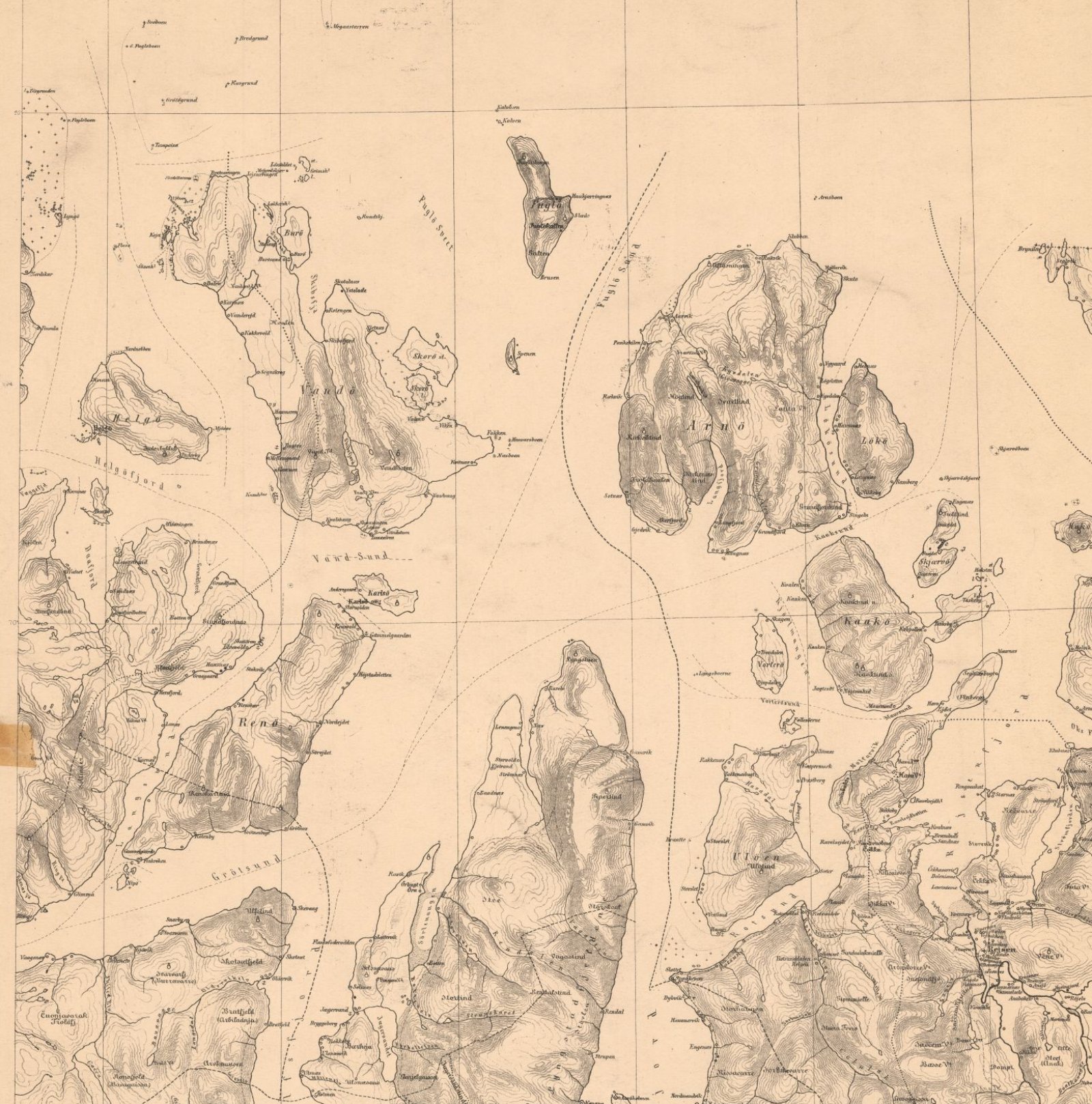
The home waters
Helgøy, Karlsøy, Vannøya and the surroundings.
This county map from 1874 shows the islands north of Tromsø where the family lived for more than three hundred years.
Helgøy, with the church that mattered most to the family: generations of Hegelunds and Klingenbergs served there as parish clerks, and in 1662 Søren Hegelund and his wife gave it a chandelier. Karlsøy, with the parish’s other church. Vannøya, with the Kvitnes trading post. Skjervøy to the east, where “the King of Skjervøy” traded. And the Lyngen peninsula rising to the south.
Click the map to see it in full size.
Surviving the Arctic
How the family held on.
The family tradition begins in 1635, when the Hegelunds came to the Arctic. What follows is the story of how they survived there – through good years and hard ones, at sea and on land.
1635 →
Sea and land
At sea, the family fished for cod and halibut. On land, they kept a few animals on thin island soil and hunted grouse in the autumn hills.
1600s–1818
Trade and the jekts
Trading posts at Hansnes, Nord-Grunnfjord, Helgøy and Kvitnes. Jekts sailed south to Bergen with fish, cod liver oil and skins. In 1818 the Kvitnes jekt made its last voyage, with a Hegelund woman in charge.
1620–1700
From wealth to poverty
Colder seas and fierce storms. Many farms on the islands were abandoned, and only the strongest households held on.
1646–47
The witch trial
Bailiff Morten C. Hegelund held Anne Torleifsdatter in custody for 26 weeks, and her husband Hans Persen, “Boat-Hans”, for 11. Both were burned on 8 January 1647. Family tradition says he put the husband on the fire too, just to be sure. The court records show Hans was sentenced the day before. It is a dark chapter, and part of the story.
1660–1664
Merchants of Trondheim
The bailiff’s sons Søren and Christen take citizenship in Trondheim and marry two sisters, daughters of a Trondheim merchant. In the autumn of 1664 both lose their jekts in storms on the way south with the king’s tax fish.
1662
A gift to Helgøy church
Søren Hegelund, his wife and her parents give a chandelier to Helgøy church – the church that will matter most to the family for the next two centuries.
1600s
In the poet’s verse
In The Trumpet of Nordland, the priest-poet Petter Dass sang of Finnkroken on Reinøya, and mocked the Skjervøy merchant – Christen M. Heggelund – who took the coins from the altar.
1670–1702
Three brothers, three trading posts
The bailiff’s sons settle at Hansnes, Nord-Grunnfjord and Helgøy, each with his own jekt. When Hans of Hansnes dies in 1700 he is the richest man in the parish. By 1702 five merchants bear the Hegelund name, with 25 farmhands between them.
1721–1840
Jegervatn
Around 1721 the Hegelunds come to Jegervatn on the mainland. They hold the farm for more than a century, combining land with trade and jekts, and it brings them great prosperity.
1743–1836
Parish clerks of Helgøy
Hans Mortensen Hegelund serves as clerk of Helgøy church from 1743, Jacob Klingenberg from 1773, and Morten Mortensen Hegelund from 1794 until his death in 1836 – more than forty years.
1746 · 1811
Lost at sea
Fredrik Hegelund drowned in 1746 with his two sons. In 1811, the trader Søren Martinus Heggelund of Oldervik was lost at sea with his farmhand and a maid.
1801
Forty seasons
Skipper Lars Hegelund of Hansnes has sailed to Bergen for forty seasons when his jekt Den norske løve makes her last voyage in 1801. He dies in 1806, 82 years old.
1808–1812
The hunger years
War and the British blockade stop the jekts. In 1808 the parish buries 145 and baptises 37. At Reinsvoll, Anne Meldal Hegelund bakes bread from Iceland moss, and in 1810 the county awards the household a prize.
1814
A new nation
When Norway gets its constitution, a Hegelund is among the thirteen men of Karlsøy who sign the parish’s address to the new king.
1837–1848
Klingenberggården
Around 1837 the Klingenbergs are the only family on the church site at Helgøy. At the auction of 1846–48, Elias Klingenberg buys most of the Helgøy farm.
1944–45
The Lyngen Line
The German retreat. Nord-Troms east of Lyngen was forcibly evacuated and burned to the ground.
Today
Still here
The family is still in the North, carrying the spirit forward from Tromsø.
From the family archive
Stories of the clan.
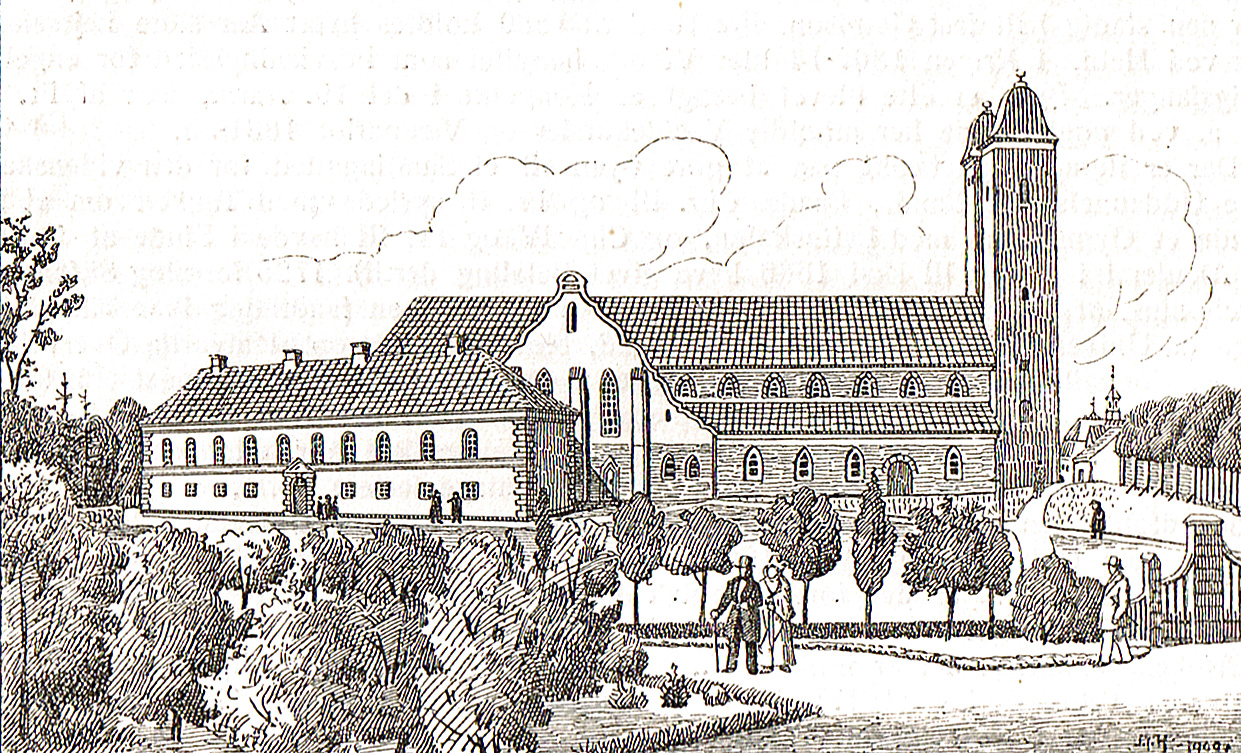
The Hegelund Dynasty of Viborg
Councilmen, mayors and a bishop in Viborg and Ribe – the family before the Arctic.
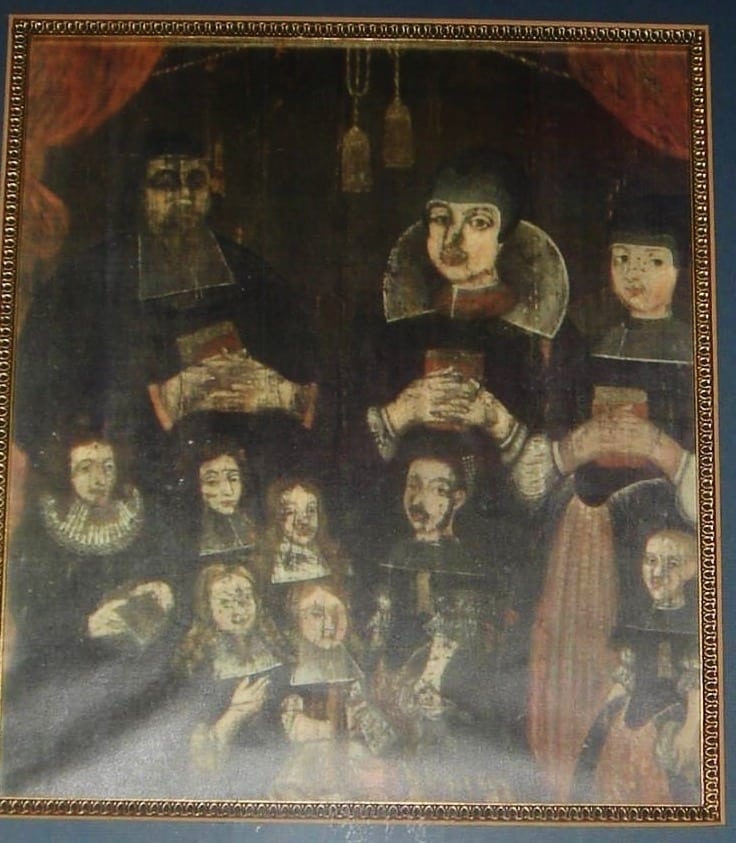
Hegelund Profiles: the 1600s
The bailiff of Troms, the King of Skjervøy and the strict vicar of Karlsøy.
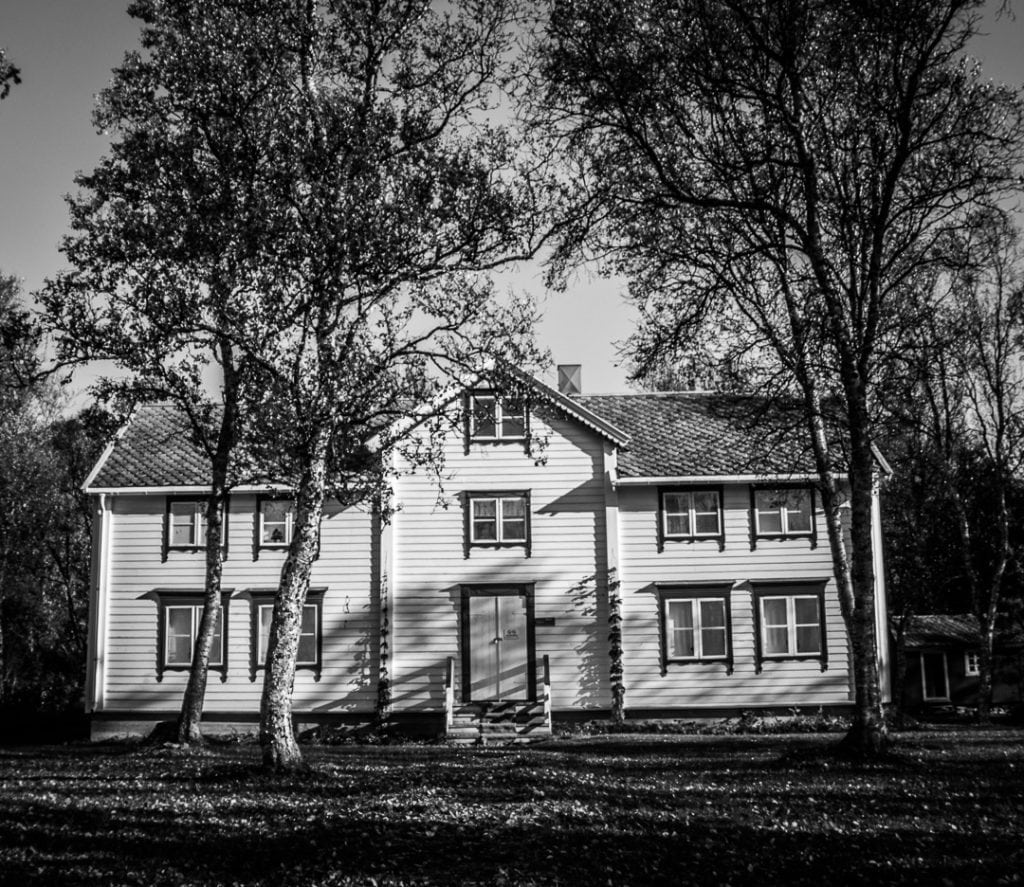
The family today